Do You Really Need Classical Training to Sing Pop?
 By Karina Schwarz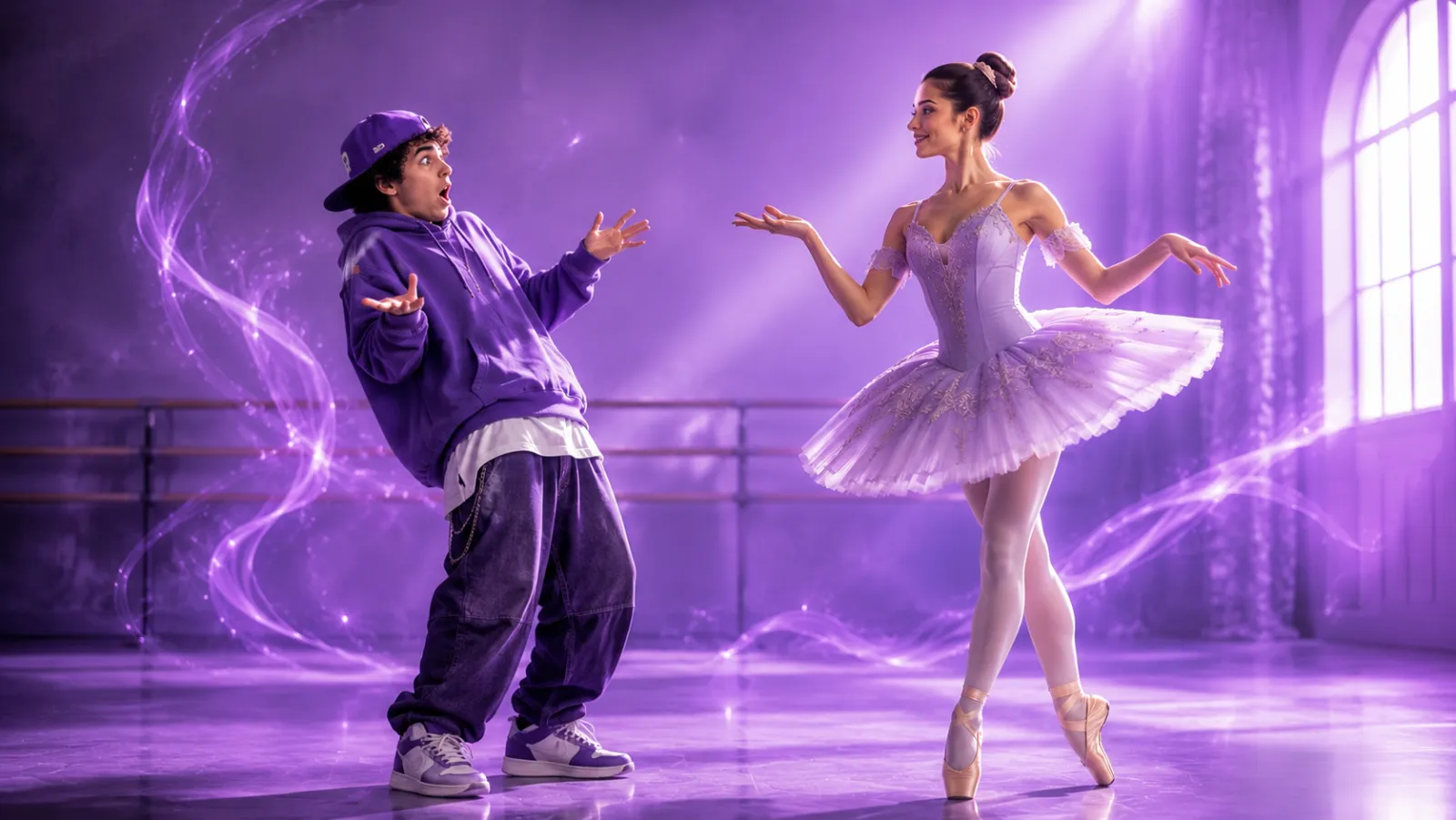
One of the biggest myths in singing is this:
"If you want to sing pop, you should learn classical singing first."
Almost every beginner has heard this advice. Some people even say that classical singing is the foundation of every style.
But is that really true?
After more than ten years singing in opera houses, and more than ten years performing in musical theatre and teaching contemporary styles, my answer is:
No.
You don't need classical training to become a healthy pop singer.
Now, don't get me wrong. I love classical singing. It gave me a wonderful career, and I'm grateful for everything it taught me. But classical singing was never designed to create a pop sound. If it were, every opera singer would automatically become a great pop singer. And we all know that's not true.
So why do so many people believe you should study classical singing first?
Why This Idea Exists
The answer is mostly historical.
Until quite recently, classical singing was the main form of professional voice training. About 300 to 400 years ago, a new vocal tradition began to develop in Italy alongside opera. Singers needed a technique that allowed them to perform long, demanding roles and project their voices over a full orchestra without microphones. Over time, this evolved into what we now call the Bel Canto tradition, one of the most refined vocal techniques ever developed.
Popular music developed very differently. Its roots are in folk traditions: lullabies, work songs, spirituals, blues, gospel, country, and many other styles that ordinary people sang in everyday life. The goal wasn't to project across a huge theater. The goal was to tell stories, express emotions, and communicate with people.
These two traditions grew in different directions because they had different artistic goals. And I think that's the biggest misunderstanding.
People often confuse healthy singing with classical singing. Healthy vocal function is universal. But classical singing is one style, and pop is another. Both use the same voice. They simply use it differently.
My Story
I actually fell into this trap myself.
When I was a child, I wanted to sing like my favorite pop singer. I asked my choir director for private lessons because I wanted to sound like her. Instead, she secretly prepared me for the entrance exams to a classical music college. Before I knew it, I was studying classical music.
Looking back, I'm thankful. It gave me a wonderful career and unforgettable experiences. But many years later, I decided to return to the music I had always loved: modern music. That's when I discovered something surprising. I wasn't just changing styles. I had to learn new vocal habits.
Different Goals Create Different Techniques
Imagine someone tells you: "You want to dance hip-hop? First spend five years learning ballet."
The same is true for singing. Let's look at a few examples.
1. Loudness
Classical singers had to fill large opera houses without microphones. To do that, they developed a very special resonance strategy, including something called the singer's formant, which helps the voice carry over an orchestra.
Pop singers don't have that problem. A microphone is only a few inches from your mouth. Instead of singing to the last row of an opera house, you're often singing as if you're talking to one person, sometimes almost like telling a secret. Of course, pop songs also have powerful moments, but they also need soft, intimate moments.
Learning to sing quietly was actually one of the hardest things for me after my opera career. I had to discover colors in my voice that I had never really used before. That's why I encourage my students to practice with a microphone from the beginning. A microphone teaches you something very important: emotion doesn't come from volume, it comes from expression. Just listen to Sade. Her voice is soft, but it's incredibly expressive.
2. Straight Tone and Vibrato
Another big difference is vibrato. In classical singing, vibrato is usually part of the natural sound. In pop music, vibrato is often an artistic choice. Many singers begin with a straight tone and add vibrato only at the end of a note.
Learning to sing a clean straight tone was one of the biggest challenges after years of opera.
3. Resonance
Classical singers usually aim for a lower larynx, a lifted soft palate, and a darker, richer tone. Pop singers usually stay much closer to their speaking voice. The vowels are often brighter, the sound is more direct, and sometimes there's more twang.
Neither approach is better. They're simply different sounds.
4. Breathy Sounds
Breathiness is another good example. In classical singing, a breathy tone is usually something teachers try to avoid. In pop music, it can be a beautiful artistic choice. A soft, airy sound creates intimacy. Artists like Billie Eilish use this effect brilliantly.
So... Should You Learn Classical Singing First?
If your dream is to sing pop, no. Learn pop singing.
If your dream is opera, learn classical singing.
Every style has its own techniques. Of course, learning more than one style is a wonderful idea. I enjoy both tennis and table tennis. They're different sports. The same is true for singing. Learning different styles makes you a more complete singer.
What About Musical Theatre?
Now you might be wondering: what about musical theatre?
That's actually one of my favorite subjects. I've spent more than ten years performing in musicals, and musical theatre is a fascinating mix of classical singing, pop, rock, jazz, and many other styles. It also has its own technical challenges, especially when you're singing with a headset microphone while acting and dancing. So musical theatre deserves its own article, and I'd love to talk about that next.
Before You Go
If you'd like to explore different singing styles yourself, take a look at the Time to Sing app.
One thing that's very important to us is that we don't believe there's only one "correct" way to sing. Different styles need different sounds. That's why you'll find separate exercises for classical singing, pop, and musical theatre, for both beginners and advanced singers. If you want the muscle mechanics behind why chest voice and head voice feel so different in the first place, see why your voice has two "engines".
Our goal isn't to make every singer sound the same. Our goal is to help you build a healthy voice, and then give you the tools to create the sound you want. Because great singers don't all sound alike. They choose the sound that fits the music.

