How to Teach Yourself to Sing: The Complete Guide
 By Kirill Zolygin
The question comes up in a lot of forms: Can I actually teach myself to sing? Where do I even start? Do I need a teacher right away? The short answer is yes, you can teach yourself to sing, and further than most people expect. But not by singing along to random songs and hoping technique shows up on its own.
What actually works is three things together: knowing where your voice comfortably sits right now, practicing the fundamentals in the right order instead of jumping straight to hard material, and sticking with it long enough for the coordination to settle in. This guide walks through all three.
Why people want to teach themselves to sing
The reasons are usually personal: a love of music, wanting to eventually get on a stage, singing karaoke without dreading your own voice, more confidence, a professional need for a stronger voice, or simply wanting to express yourself more freely when you sing. None of those require weekly one-on-one lessons as a starting point. What they require is a structure you can actually follow.
The biggest challenge with self-teaching
The main problem with learning to sing without a teacher isn't talent. It's feedback. You hear your own voice differently than it actually sounds, because you're hearing it twice: once through the air, and once through the vibrations inside your own body. Without a second reference point, a teacher, a good recording, or clear guided exercises, it's hard to know whether you're actually working on the right thing.
That's where the common beginner mistakes come from: shallow breathing instead of proper support, straining the voice by pushing too hard too soon, choosing songs that sit far outside your comfortable range, and skipping the warm-up because you want to get straight to the song.
How to actually get started
1. Posture and breathing
An upright, relaxed posture is the foundation for stable breathing. Diaphragmatic breathing, where your midsection expands on the inhale instead of just lifting your shoulders, gives you more control and endurance. This isn't an abstract idea: when your ribs stay open and stable while you sing and the air is released under control instead of all at once, notes sit more steadily and phrases carry further.
2. Finding your vocal range 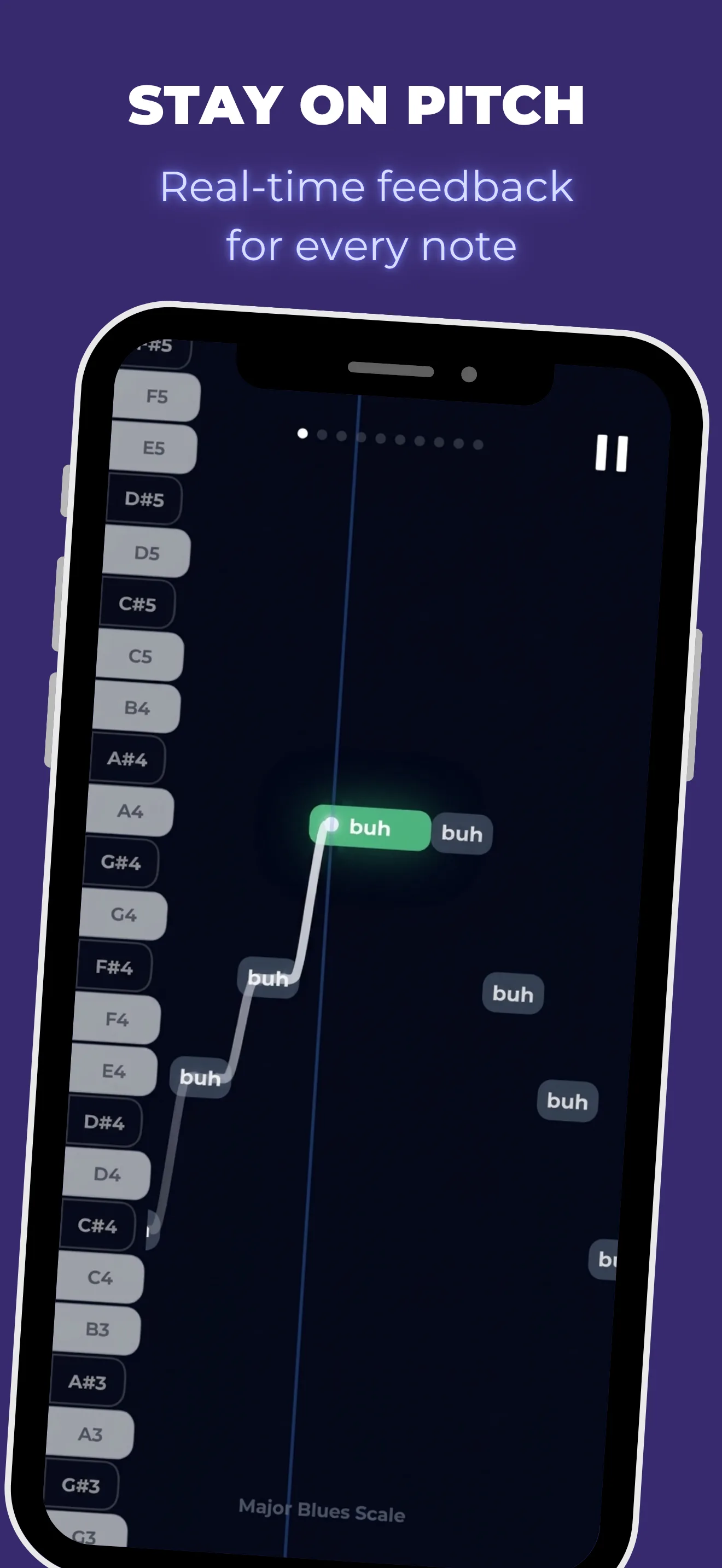
Before you dive into exercises, it helps to know where your voice actually sits comfortably right now. That's not a permanent ceiling, it's a starting point you can grow from. This is exactly what the Voice Range Check in the Time to Sing app does: you sing two comfortable notes, one low and one high, and the app recommends a starting range from there. Every exercise is then matched to that range, so you're not chasing notes that are unrealistic for your voice today.
3. A practice structure, not random singing
A sensible order removes the daily guesswork of what to work on: breathing first, then speech-like singing, then chest voice, mixed voice, head voice, and only later more demanding sounds like belt. 20 to 30 minutes a day is enough for real progress, as long as you actually warm up instead of jumping straight to the hardest note you know. If you want to understand why that specific order works, why your voice has two "engines" breaks chest voice and head voice down into the two muscle systems behind them.
4. Immediate, visible feedback
The second thing that's usually missing from solo practice is honest, real-time feedback: are you actually on pitch right now, or not? That's what the Voice Tuner is built for. Target notes scroll across a piano-roll style display, and each one turns green the instant you land on it. Exercises are matched to your specific vocal range (bass/baritone, tenor, alto, soprano) and skill level, with a dedicated breath mode for breathing drills, so you can see exactly where you're solid and where you're not, instead of guessing.
Common mistakes to avoid
- Shallow breathing instead of proper support. Leads to instability, especially on longer phrases and higher notes.
- Overworking the voice. Louder or longer isn't automatically better. Short, focused sessions a few times a week usually beat rare, overlong marathons.
- Picking the wrong songs. A favorite song that sits far outside your current range will frustrate you more than it helps. Build the fundamentals first, and your usable range grows with them.
- Skipping the warm-up. Like any physical activity, the voice needs preparation before it's put under load.
Where to actually start
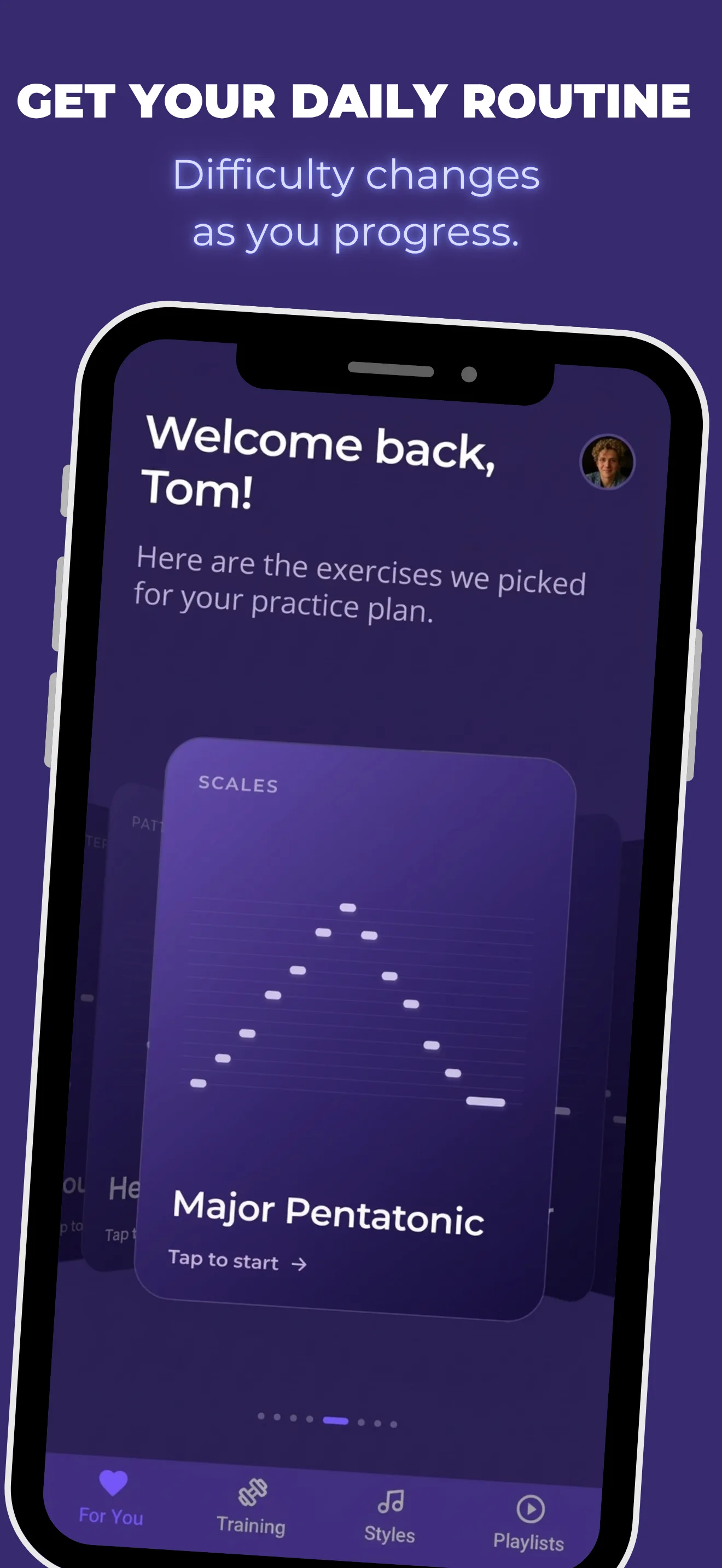
Set realistic goals. Nobody nails a controlled belt in week one. Start with simple material that sits comfortably in your current range, and work up to more demanding sounds step by step. That exact progression, from breathing through speech-based singing to chest voice, mix, and head voice, is built directly into the Time to Sing app's exercise order, so you're not left guessing what comes next. If you want a deeper look at turning that into a daily habit, see how to build a daily practice routine.
How to tell if an app actually teaches technique
The market for singing apps is large, but not every app is chasing the same goal. Some are mainly karaoke and social platforms, built for performing and sharing, not learning. Others are multi-instrument apps where singing is just one option alongside guitar or piano, with correspondingly little depth for the voice specifically. For a closer look at how the main ones differ, see the full 2026 comparison.
If you're looking for actual technique, check for these:
- Is the technique explained, or just scored? A video with a real vocal coach walking you through the sound will get you further than a bare pitch score.
- Is there style-specific training? Pop, musical theatre, and classical singing use the voice differently, and classical training was never designed to produce a pop sound. An app that treats them separately will get you where you're going faster than a one-size-fits-all program.
- Is the feedback matched to your own range? A starting point like a voice range check keeps you from chasing target notes that don't fit your voice yet.
- Can you practice offline? A stable connection isn't guaranteed on the go or backstage.
That's exactly what the Time to Sing app is built around: style-specific training for Pop, Musical Theatre, and Classical, each exercise taught on video first and then practiced with guided audio, plus the Voice Range Check and the Voice Tuner for real, real-time feedback, offline downloads, curated and custom playlists, and reminders and progress tracking. There's a free tier with two exercises per style, and Premium is €9.99/month.
Why a vocal coach still matters
Self-teaching doesn't replace every part of what a good teacher does, and it doesn't need to. A qualified coach catches details you'll miss yourself, corrects posture and onset directly, and helps you keep your voice healthy over the long run. The most practical path for most singers is a combination anyway: structured self-practice for repetition and daily routine, with occasional lessons for correction and direction.
The bottom line
You don't need special talent to start singing. You need a starting point that matches your voice, a sensible order to practice in, and honest feedback that tells you whether you're actually on the right track. That's what the Time to Sing app is built to give you: a Voice Range Check, style-specific video-taught exercises, the Voice Tuner for real-time feedback, and playlists, reminders, and progress tracking that turn good intentions into an actual habit.
Download the app, run the Voice Range Check, and start your first exercise in the range that's actually yours.

